
New Opflow Article: Helping Water Utilities Select the Right Material for Lead Service Line Replacement
I’m excited to share that my latest article, “Select the Right Material for Your Lead Service Line Replacement Program,” has been published in the December issue of AWWA’s Opflow.
Read it here: https://awwa.onlinelibrary.wiley.com/doi/10.1002/opfl.70005
It’s available for free for the month of December only, so make sure you put this on your short term reading list!
As utilities replace full lead service lines—and as federal LCRI requirements accelerate timelines—choosing the right replacement material is an important consideration. It is central to long-term water quality, infrastructure longevity, and cost effective asset management. EPA just announced $3 billion in Lead Service Line Replacement funding to states. This is a great time to ensure water utilities using this funding are getting the best health protection and best bang for their buck
Copper or Plastic?
This article walks through the technical, water-quality, operational, and cost considerations that utilities should evaluate before selecting copper or plastic.
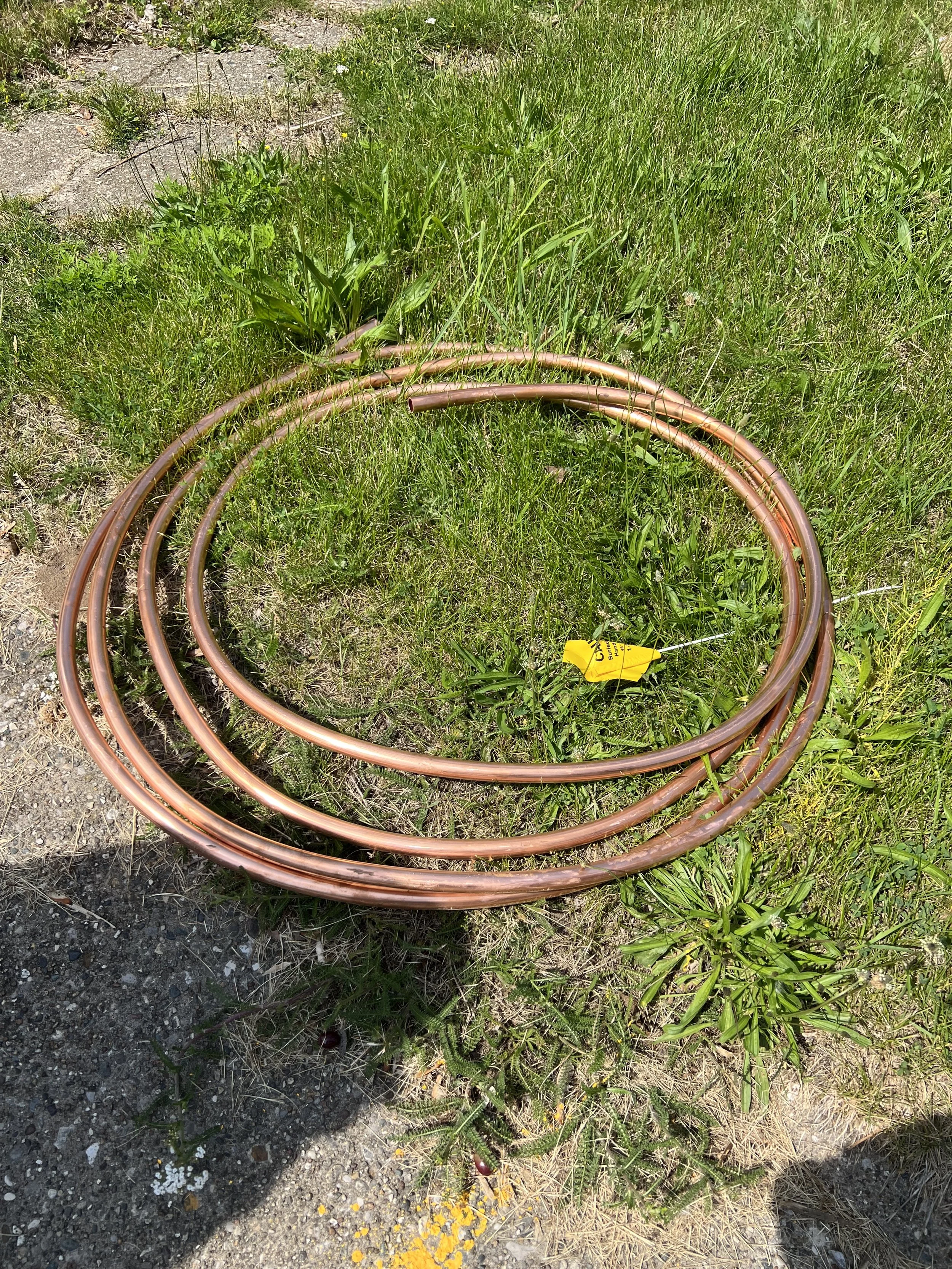
The Opflow article provides a practical, operator-focused guide to:
Understanding the water-quality implications of copper vs. plastic
Evaluating corrosion control, stagnation, and biofilm considerations
Managing long-term performance uncertainty for emerging materials
It also provides a decision framework to guide utilities through the material selection process and outlines key next steps for ensuring water quality over the long term.
Let’s Keep the Conversation Going
If your utility or organization is working on a lead service line replacement program and wants to think through material choices, compliance considerations, or community engagement, I’m always glad to compare notes and offer perspective.
Feel free to reach out—or pass the article along to others who may find it useful.
Read the full Opflow article here:
https://awwa.onlinelibrary.wiley.com/doi/10.1002/opfl.70005
If you check back in after December 2025 you may find this article behind a paywall.