
Hot Topics
Filter by Topic Area:
The Top Ten Strategies to Reduce Lead Service Line Replacement Costs and Ensure Public Health Protection
With new goals, requirements, and funding for lead service line replacements emerging all the time, it's crucial to make the most of available resources. Here are Safe Water Engineering's top recommendations for maximizing funding and removing more lead service lines from your water system:

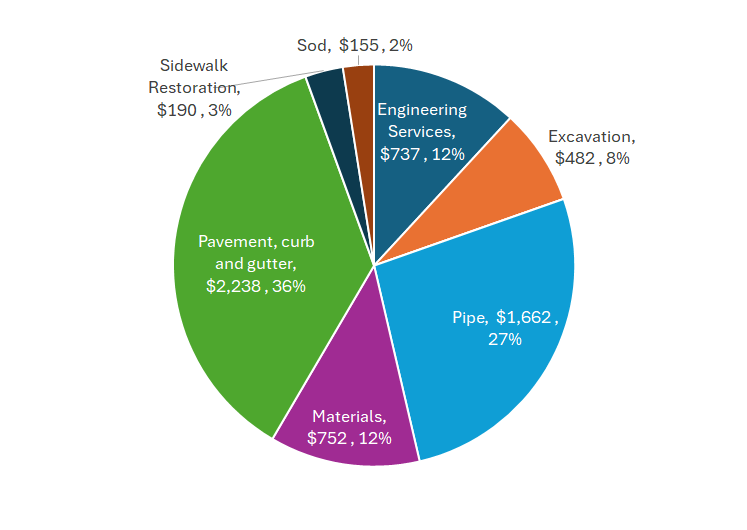
Lead Service Line Replacement Costs and Strategies for Reducing Them
Earlier this year, Safe Water Engineering prepared a report that analyzed lead service line replacement (LSLR) cost estimates, identified the line-item costs that are major overall cost drivers, and identified strategies for reducing LSLR costs at both the unit scale and at the overall program scale.

Resources to help understand proposed Lead and Copper Rule Improvements
Safe Water Engineering, with University of Michigan Water Center - Graham Sustainability Institute, developed a suite of resources to help local elected officials understand the Michigan Lead and Copper Rule when it was revised in 2018.
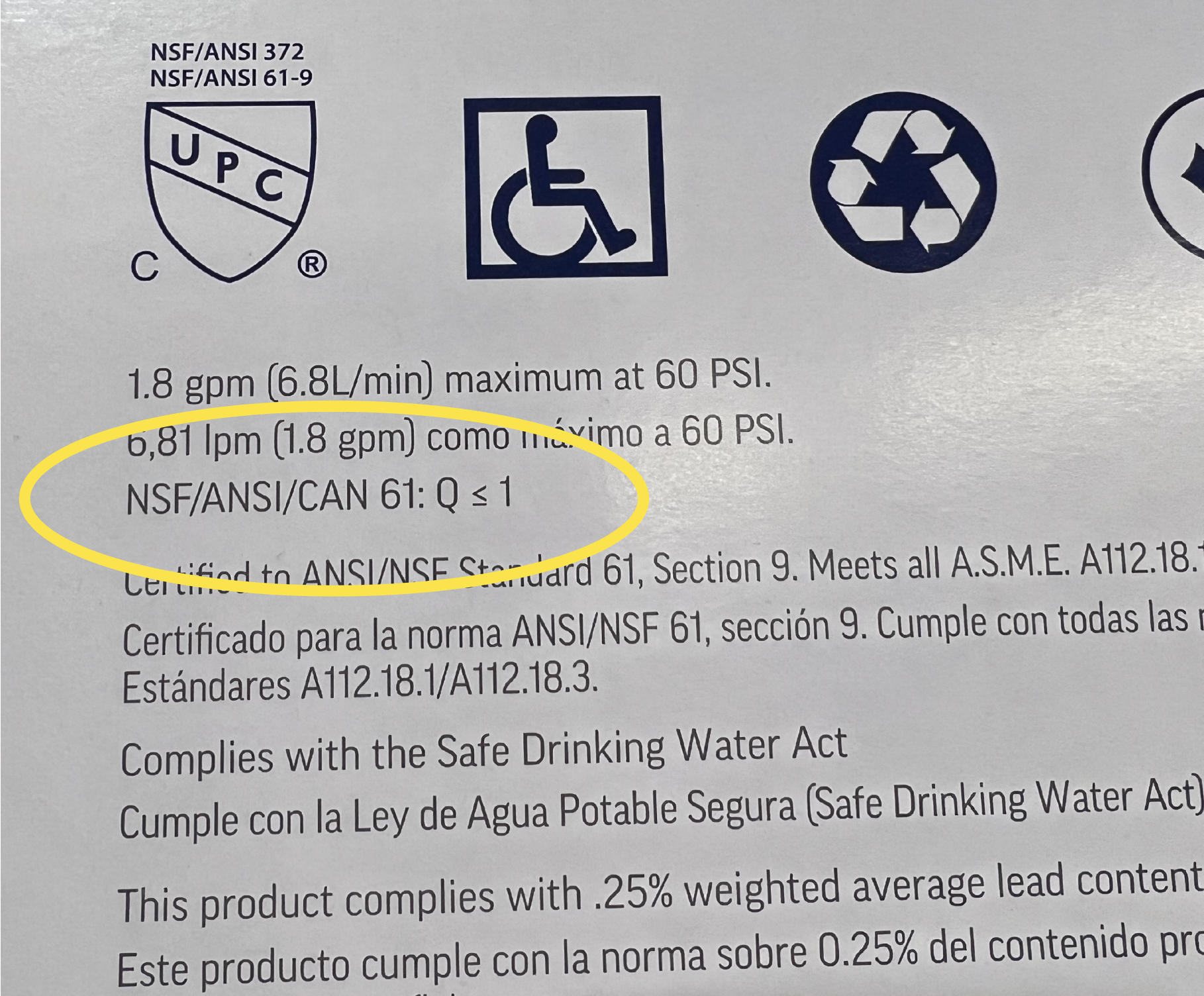
Is my faucet lead free? A guide to understanding new “lead-free” requirements for faucets and household plumbing.
This post summarizes new requirements for low lead “lead-free” plumbing devices, outlines what to look for when shopping for new plumbing materials, and it identifies older materials that might put you at increased risk of lead exposure.

Southeast Michigan 2023 Lead and Copper Rule Compliance Sampling Report
Most Michigan water utilities that have lead service lines are required to collect Lead and Copper samples every year between June 1 and September 30. The Michigan Department of Environment, Great Lakes, and Energy (EGLE) starts posting data here when they find water utilities that exceed the lead action level (15 ppb) at the end of each sampling period.
