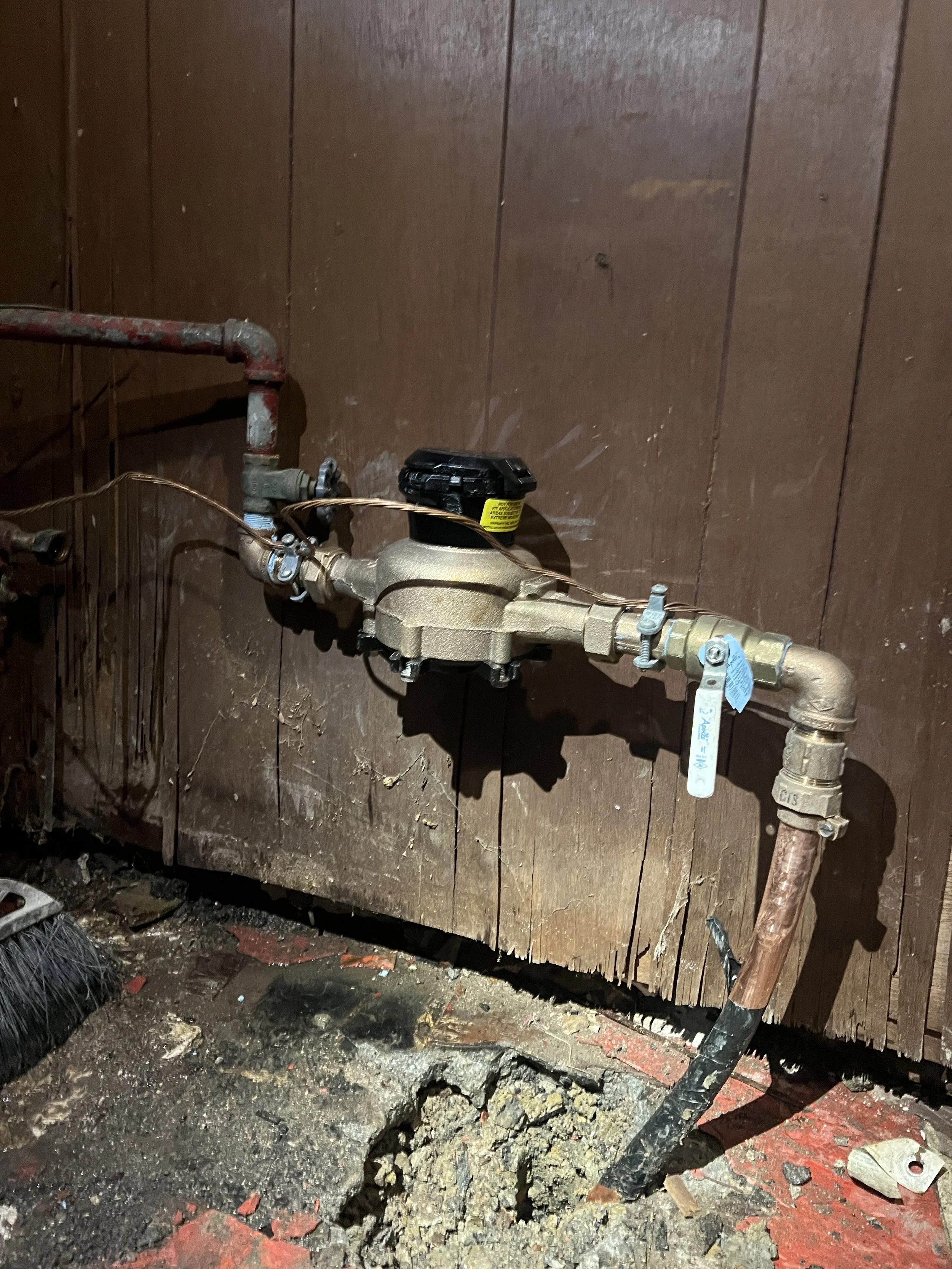
LSLR Readiness Toolkit: Turning Good Plans into Successful Programs
Over the past few months, I've had the opportunity to present on Lead Service Line Replacement (LSLR) program management at both AWWA ACE in Washington, DC, and Michigan ACE in Kalamazoo. In those presentations, I shared lessons learned from working with the City of Highland Park as they launched an ambitious lead service line replacement program.
Like many utilities, Highland Park invested significant effort into planning. The goals were clear, the intent was strong, and the community needed results. But as the program moved from planning into implementation, challenges emerged. Responsibilities became unclear, communication gaps developed, procedures weren't consistently followed, and the realities of managing a large, property-by-property replacement program created friction across teams.
The experience reinforced something I've seen in other communities as well: having a plan is not the same thing as being ready to implement that plan.
To help Highland Park regroup, identify gaps, and prepare for the next phase of work, I developed a practical LSLR Readiness Toolkit. The toolkit is designed to help utilities, contractors, and program managers assess whether the critical pieces of a successful LSLR program are in place before construction begins and to identify areas for improvement when programs start drifting off course.
Lead Service Line Replacement Readiness Self-Assessment
Lead Service Line Replacement Readiness Framework and Improvement Plan
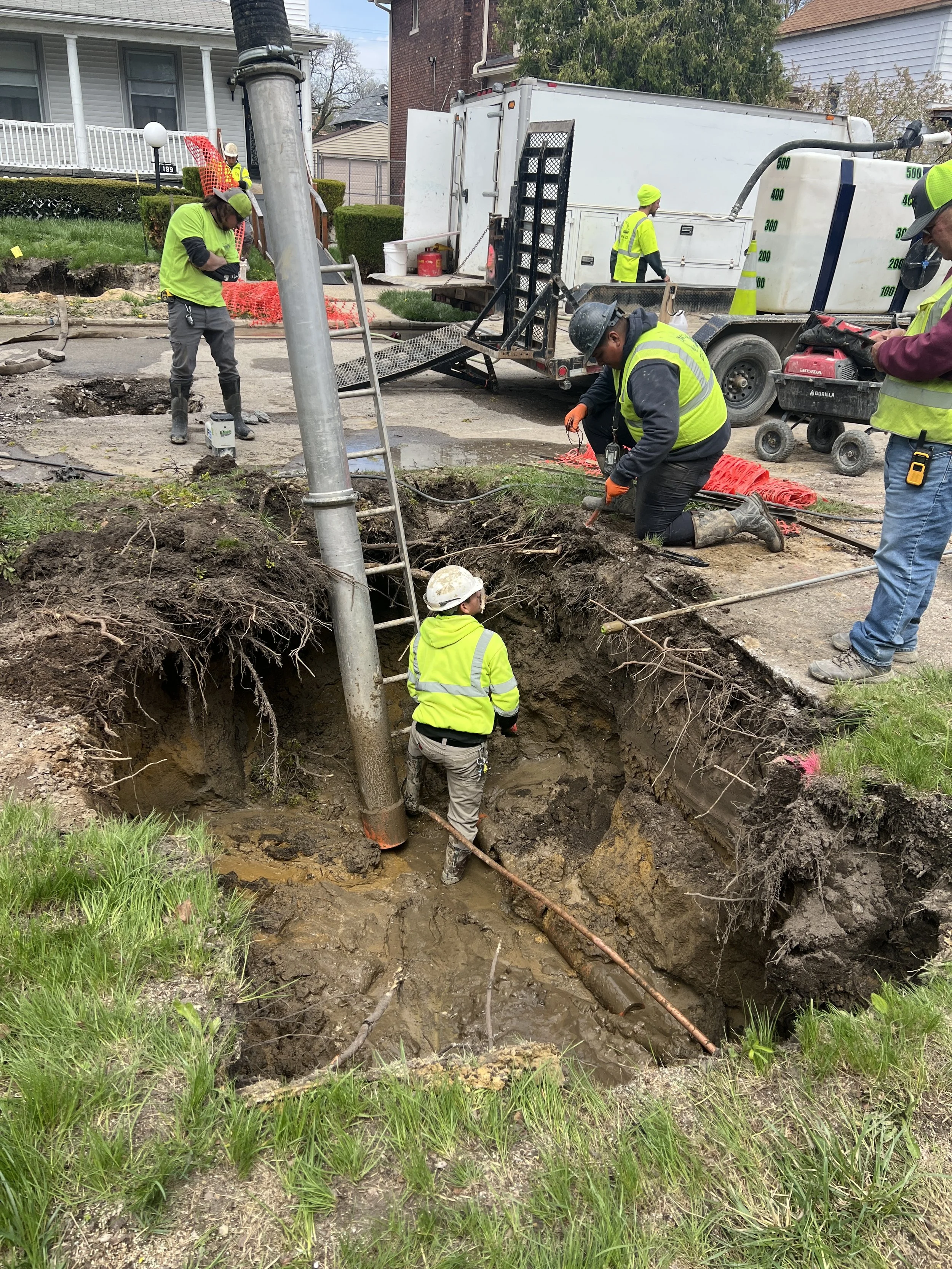
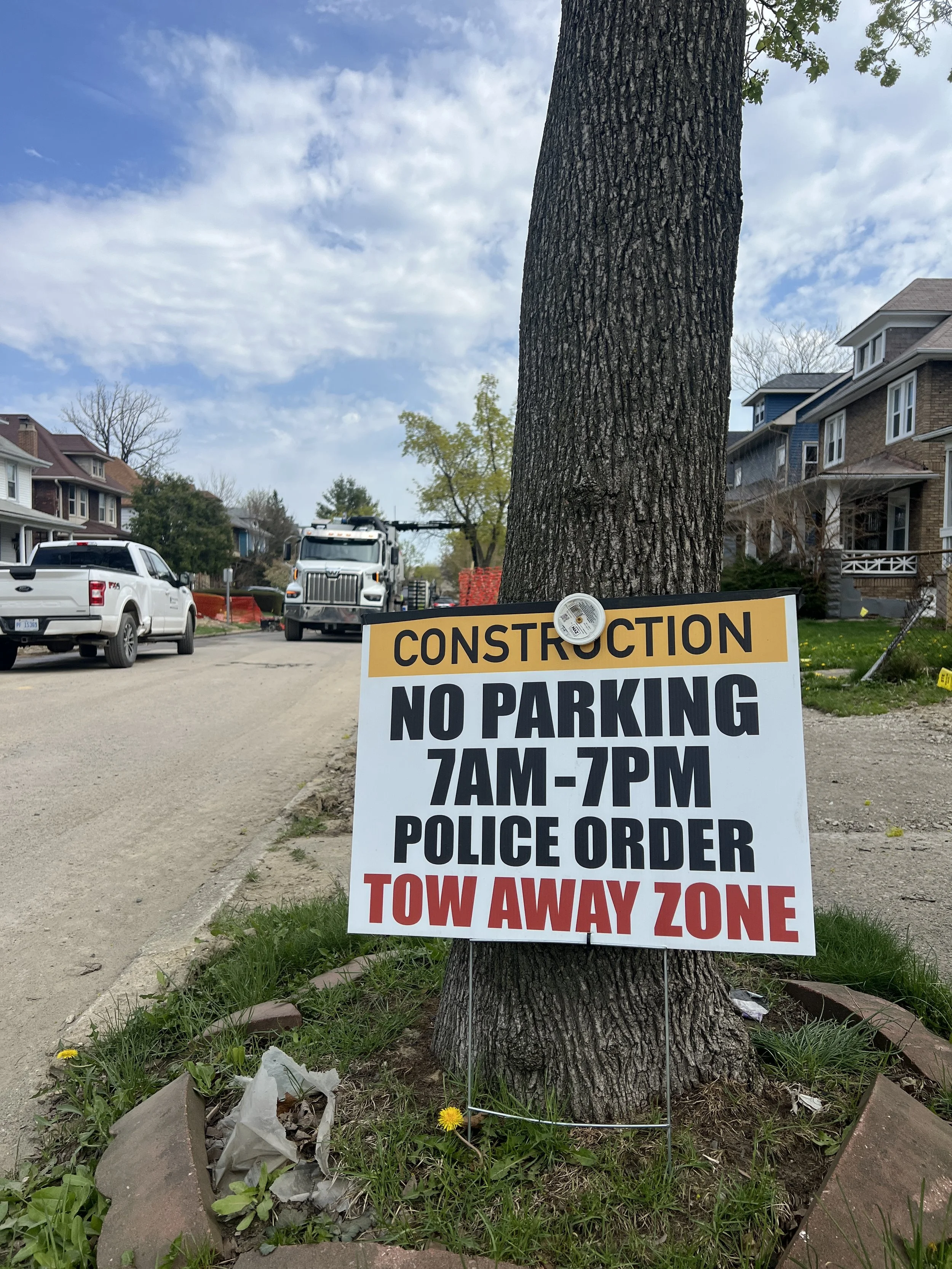
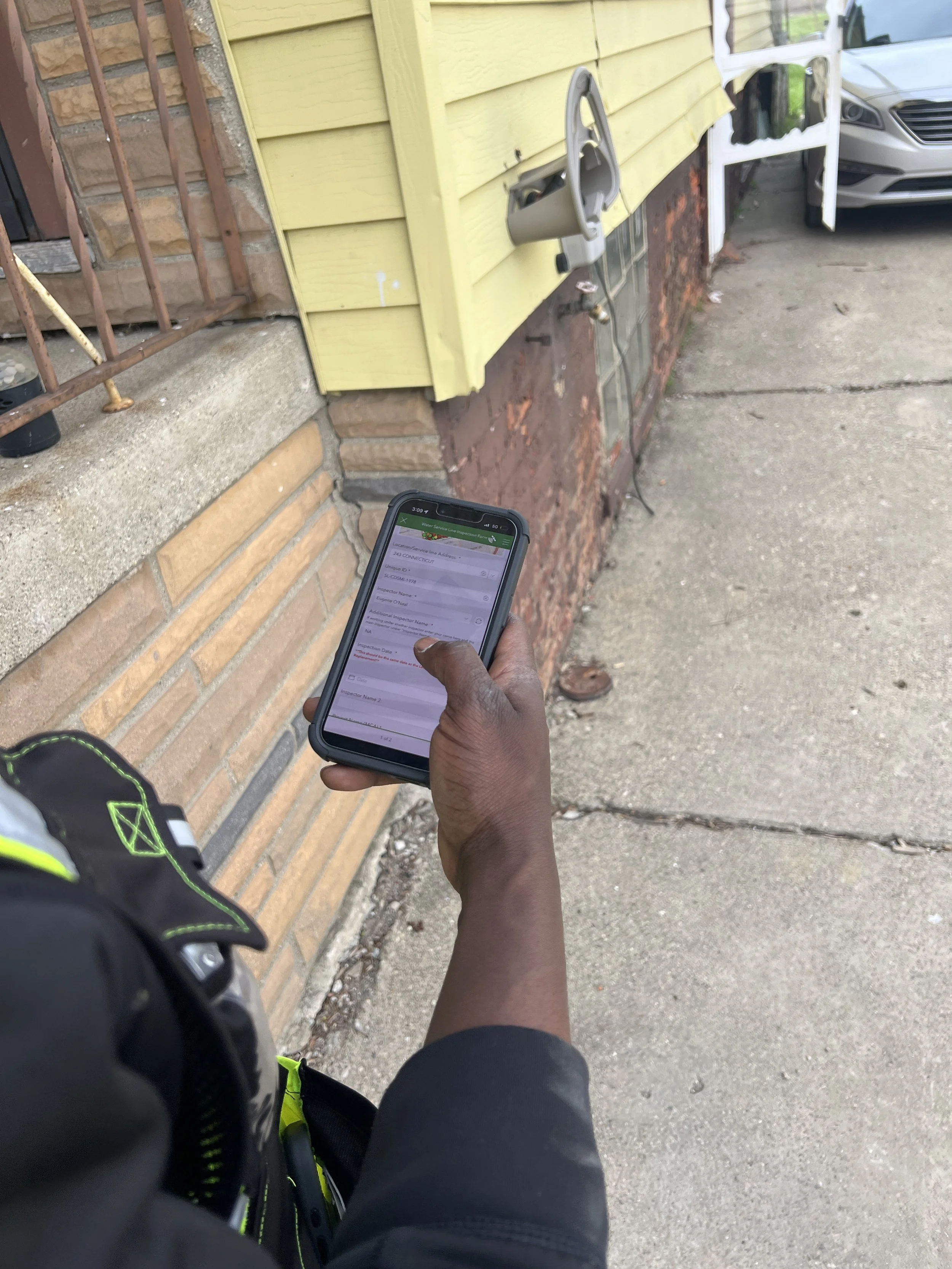
And don’t forget about my LSLR Planning Guide that explores the various planning and design decisions that shape the cost of LSLR programs. It covers everything from project management approaches and contractor selection to decisions about traffic control, restoration, and customer outreach.
Planning for Lead Service Line Replacement Success: Key Planning Decisions Impacting Lead Service Line Replacement Costs
My goal in sharing these resources is simple: help utilities avoid common implementation pitfalls and give them practical tools to get organized, stay organized, and regain direction when projects start to drift. Whether you're launching a new LSLR program, scaling up an existing effort, or trying to get a struggling project back on track, I hope these tools provide a useful starting point.
If you use them, I'd love to hear what worked, what didn't, and what additional resources would be helpful. The best lessons come from real-world implementation, and I'm always looking for ways to improve these tools based on the experiences of utilities and communities doing this important work.